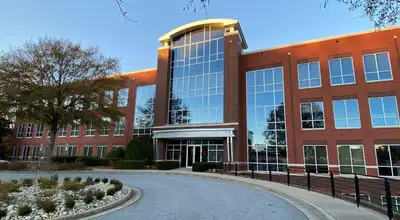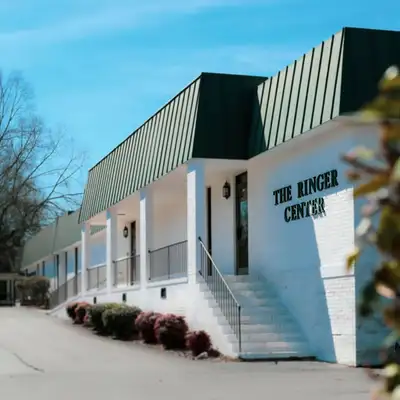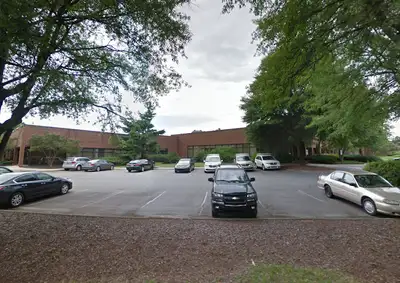

Mental Health Services of NC - Mental health treatment facility in Greensboro, NC

Mental Health Services of NC

Mental Health Treatment in Greensboro, North Carolina

Mental Health Services of NC serves the Greensboro community with comprehensive mental health services. The facility is committed to providing accessible, quality care to individuals and families in North Carolina.

Learn more about Outpatient Treatment, Psychiatric Services, Crisis Intervention.

Browse all mental health facilities in North Carolina

Facility Overview

Mental Health Services of North Carolina, located at 10 Oak Branch Drive in Greensboro, North Carolina, provides statewide behavioral health oversight and access to community-based treatment programs designed to support individuals with serious mental illness, substance use disorders, co-occurring conditions, and developmental disabilities. Through partnerships with managed care organizations, providers, and state agencies, the organization ensures access to outpatient services, psychiatric care, crisis intervention, medication management, and coordinated community-based supports that promote long-term recovery and stability.

Services include evidence-based models such as Assertive Community Treatment, Community Support Teams, Integrated Dual Disorder Treatment, Critical Time Intervention, supported employment, and housing transition services. Mental Health Services of North Carolina focuses on recovery-oriented, person-centered care that helps individuals maintain independence, achieve symptom stability, and remain connected to their communities. The organization plays a vital role in strengthening North Carolina’s behavioral health system by improving access to services, supporting care transitions, and enhancing outcomes across diverse populations.

Treatment Services

Levels of Care

Core Services

Therapies & Approaches

  • Supported Employment
  • Person-Centered Care
  • Evidence-Based Practices

Conditions Treated

Populations Served

Additional Services

  • Care Coordination
  • Housing Support Services
  • Behavioral Health Crises
  • Intellectual and Developmental Disabilities
  • Assertive Community Treatment
  • Community Support Team Model
  • Critical Time Intervention
  • Integrated Dual Disorder Treatment
  • Recovery-Oriented Care