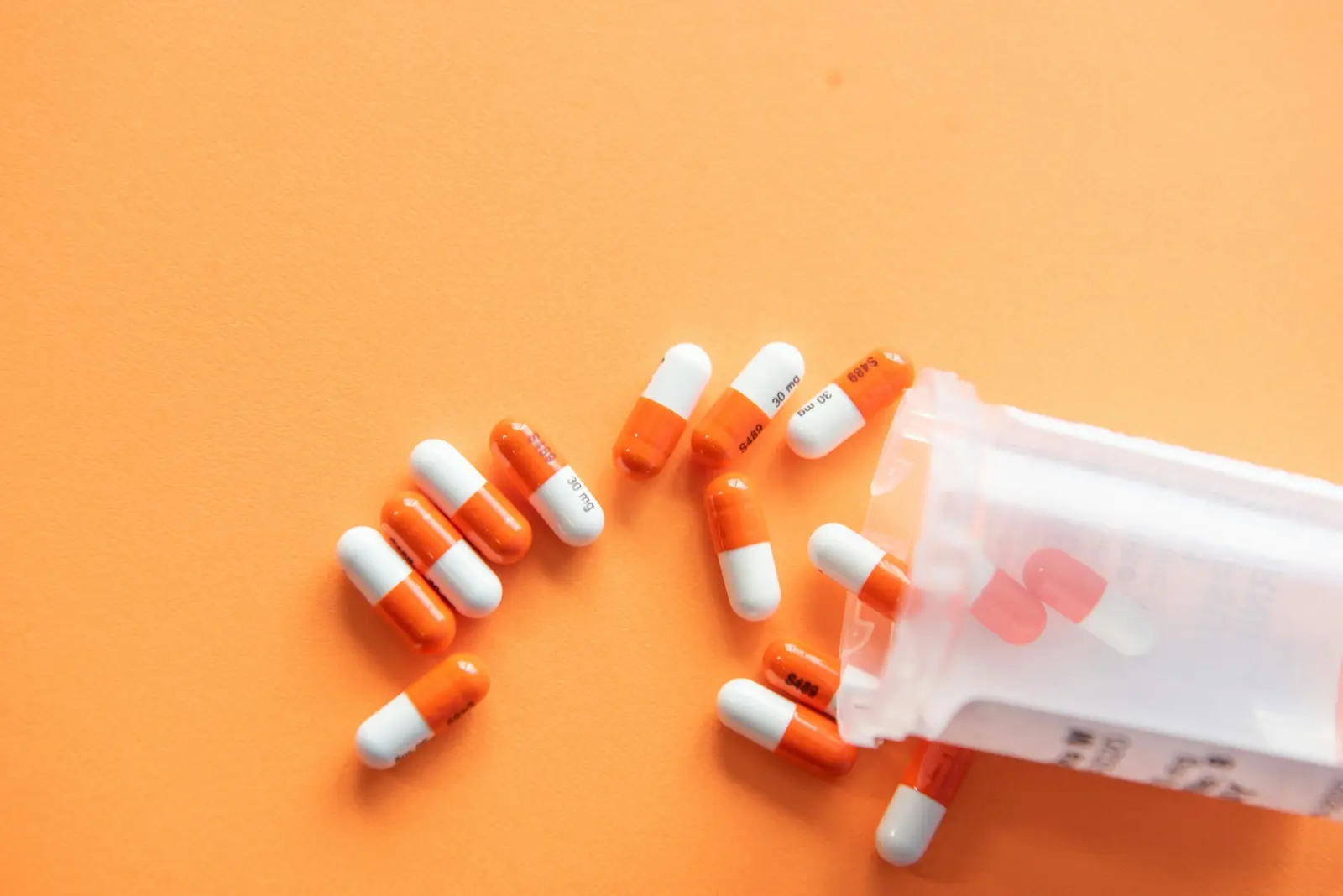
Medication-Assisted Treatment
Learn about Medication-Assisted Treatment (MAT), combining FDA-approved medications with counseling and behavioral therapies for effective substance use disorder recovery.
History and Development
Medication-Assisted Treatment has a history spanning over five decades. Methadone maintenance for opioid use disorder was pioneered by Drs. Vincent Dole and Marie Nyswander in the 1960s, demonstrating that long-acting opioid agonist therapy could stabilize patients, reduce illicit drug use, and improve functioning. Buprenorphine was approved by the FDA in 2002, expanding access to office-based opioid treatment beyond specialized clinics. Naltrexone, an opioid antagonist, received approval for extended-release injectable formulation in 2010. For alcohol use disorder, disulfiram has been available since the 1950s, with naltrexone and acamprosate following in the 1990s. The term MAT emphasizes the integration of pharmacotherapy with psychosocial support—medication alone is not sufficient, and counseling alone may not adequately address the neurobiological changes caused by substance dependence. Today, MAT is considered the gold standard for opioid use disorder treatment, endorsed by SAMHSA, the World Health Organization, and the National Institute on Drug Abuse.
Key Techniques
Benefits
Treatment Steps
Duration
Minimum 12 months recommended; many benefit from longer-term maintenance
Session Frequency
Weekly counseling sessions; medication dosing varies by type (daily to monthly)
Conditions Treated
Risks
Success Rate and Testimonials
MAT for opioid use disorder reduces overdose deaths by 50-75% and increases treatment retention two to three-fold compared to non-medication approaches. Long-term buprenorphine maintenance shows 60-90% retention rates at one year in well-structured programs.
"MAT saved my life. After years of failed attempts at sobriety, buprenorphine gave me the stability to actually engage in therapy, repair relationships, and build a life worth living. I've been stable for three years now and finally feel like myself again."
Treatment Approaches
Advantages
- Strongest evidence base for opioid use disorder treatment
- Dramatically reduces overdose death risk
- Can be accessed in office-based settings with buprenorphine
- Supports long-term recovery when combined with counseling
Limitations
- Requires ongoing medication compliance and monitoring
- Access limited by provider training requirements and regulations
- Some mutual support communities may not accept medication use
- Does not address all aspects of recovery without counseling component
Frequently Asked Questions
Is MAT just replacing one drug with another?
No. This is a common misconception. MAT uses carefully dosed, FDA-approved medications that stabilize brain chemistry without producing the euphoria, dangerous sedation, or destructive behaviors associated with illicit drug use. It is analogous to using insulin for diabetes—managing a chronic medical condition with appropriate medication while working on behavioral and lifestyle changes.
How long does someone stay on MAT?
Treatment duration is individualized. Research recommends a minimum of 12 months, and many individuals benefit from longer-term or indefinite maintenance. Studies show that longer duration of MAT is associated with better outcomes, and stopping medication prematurely significantly increases relapse and overdose risk. The decision to taper should be made collaboratively based on stability, not arbitrary time limits.
Can someone in MAT be considered 'in recovery'?
Absolutely. SAMHSA's definition of recovery does not exclude medication use. Being stabilized on MAT and actively engaged in rebuilding one's life is recovery. Many mutual support groups now welcome individuals on MAT, though some traditional 12-step programs may hold outdated views on this topic.
What's the difference between methadone and buprenorphine?
Methadone is a full opioid agonist dispensed daily at specialized clinics, offering powerful stabilization for severe opioid dependence. Buprenorphine is a partial agonist prescribed by qualified providers in office settings, offering more flexibility and lower overdose risk. Both are highly effective; choice depends on severity, access, patient preference, and clinical factors.
Does MAT work for all substance use disorders?
MAT is most established for opioid use disorder (methadone, buprenorphine, naltrexone) and alcohol use disorder (naltrexone, acamprosate, disulfiram). Research is ongoing for medications addressing stimulant, cannabis, and other substance use disorders. Not all substances have FDA-approved medication treatments yet, but behavioral therapies remain effective across all substance use disorders.
Related Therapies & Approaches
Substance Use Treatment
Comprehensive treatment for addiction, substance use, and substance-related concerns.
Learn MoreDetoxification
Medically supervised withdrawal management to safely stabilize individuals before ongoing treatment.
Learn MoreMedication Management
Psychiatric medication evaluation, prescription, and ongoing monitoring.
Learn MoreIndividual Therapy
One-on-one counseling sessions tailored to your unique needs and goals.
Learn MoreFind Medication-Assisted Treatment by State
Browse medication-assisted treatment providers across all 50 states and Washington, D.C.
Featured Facilities Offering Medication-Assisted Treatment
Browse mental health facilities that offer Medication-Assisted Treatment and explore care options across the United States.
Search for Medication-Assisted Treatment Providers
Use our directory to find facilities offering medication-assisted treatment near you.