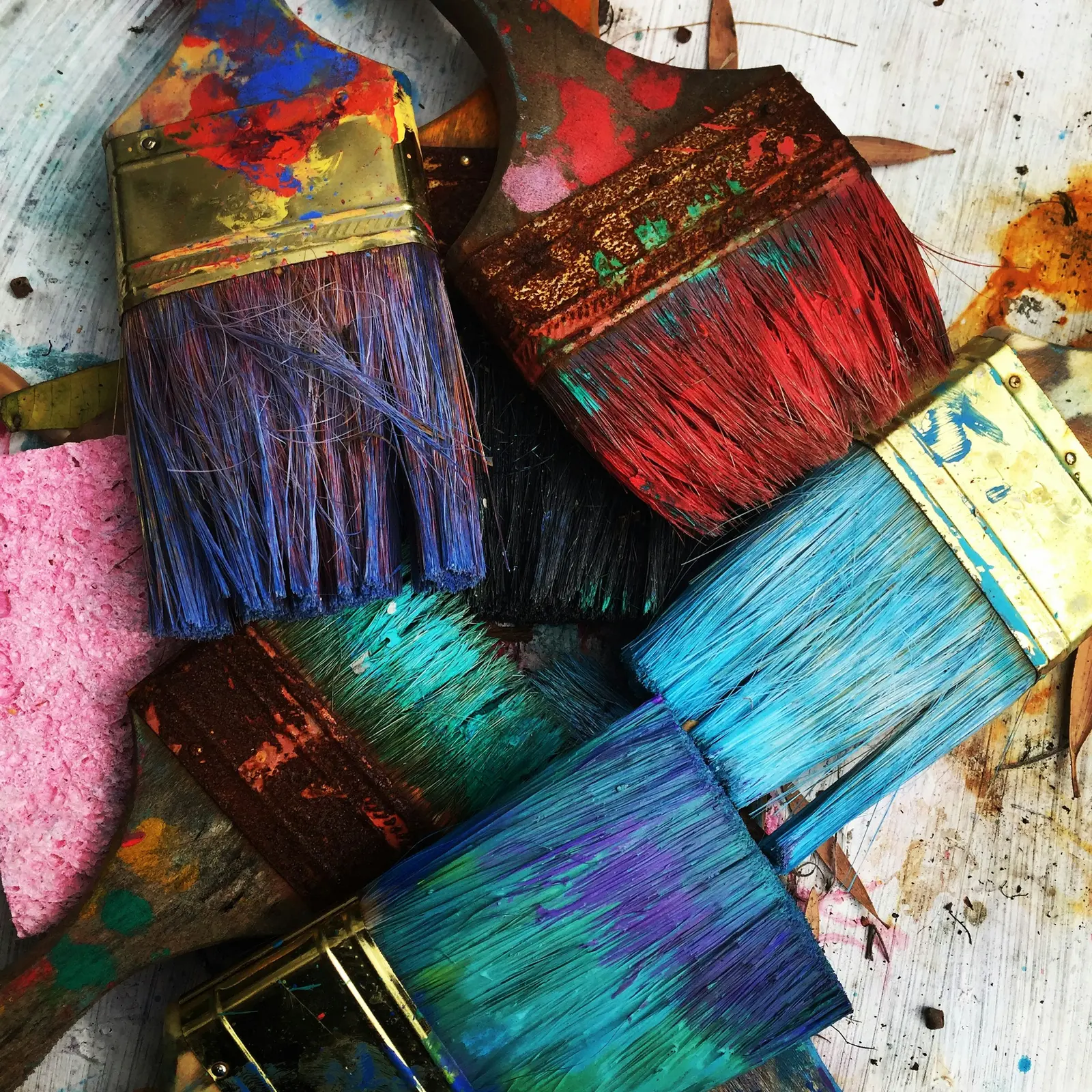
Art Therapy
Learn about art therapy, including techniques, benefits, and treatment process. Find specialized art therapy services near you.
History and Development
Art therapy emerged in the mid-20th century at the intersection of studio art practice and clinical psychology. Early pioneers such as Margaret Naumburg and Edith Kramer independently developed the field in the United States during the 1940s and 1950s. Naumburg, often called the founder of art therapy, viewed spontaneous artistic expression as a form of symbolic communication that could bring unconscious material to the surface, drawing on psychoanalytic theory. Kramer emphasized the healing potential of the creative process itself, arguing that the act of making art fostered ego integration and emotional resilience. In the United Kingdom, Adrian Hill coined the term 'art therapy' in the 1940s after observing that drawing and painting supported recovery in tuberculosis patients. Formal professional organizations and training programs were established in the 1960s and 1970s in both the United States and Europe, giving the field a standardized clinical framework. Over the following decades, art therapy was applied across a growing range of settings, including psychiatric hospitals, schools, rehabilitation programs, and palliative care. Research on art therapy has expanded significantly in recent years, examining its effectiveness for trauma, depression, anxiety, dementia, and other conditions. Today, art therapy is practiced by credentialed professionals and is recognized as a distinct mental health discipline that integrates creative expression with evidence-informed therapeutic principles.
Key Techniques
Benefits
Treatment Steps
Duration
8-12 weeks, depending on individual needs
Session Frequency
Weekly 60-90 minute sessions
Conditions Treated
Risks
Success Rate and Testimonials
Art therapy is commonly used to support emotional expression, self-awareness, stress reduction, and trauma processing. Outcomes vary by person, but many people find that creative expression helps them explore feelings, communicate experiences, and build coping skills in a supportive therapeutic setting.
"Art therapy helped me express feelings I couldn't put into words and better understand what I was experiencing."
Treatment Approaches
Advantages
- Natural expression
- Age-appropriate
- Non-threatening
- Engaging process
Limitations
- Space requirements
- Material needs
- Parent involvement
- Progress pace
Frequently Asked Questions
Do I need artistic talent for art therapy?
No, art therapy focuses on the process of creation and expression, not artistic skill. The goal is emotional exploration and healing, not creating masterpieces.
What materials are used in art therapy?
Art therapy can use various materials including paint, clay, markers, collage materials, and digital media. Your therapist will help you choose materials that best suit your needs and comfort level.
How is art therapy different from regular art classes?
Art therapy is focused on emotional healing and personal growth, with a trained therapist guiding the process. Unlike art classes, the emphasis is on self-expression and processing rather than technique.
Can children participate in art therapy?
Yes, art therapy is particularly effective for children who may struggle to express themselves verbally. It provides a natural, non-threatening way to communicate and process emotions.
Is art therapy covered by insurance?
Many insurance plans cover art therapy when provided by a licensed mental health professional. Coverage details vary by plan, so check with your insurance provider about specific benefits.
Related Therapies & Approaches
Music Therapy
The use of music interventions to address emotional, cognitive, and social needs.
Learn MoreExperiential Therapy
Action-oriented therapy using activities and experiences to process emotions and promote growth.
Learn MorePlay Therapy
Therapeutic use of play to help children express emotions and resolve issues.
Learn MoreIndividual Therapy
One-on-one counseling sessions tailored to your unique needs and goals.
Learn MoreFind Art Therapy by State
Browse art therapy providers across all 50 states and Washington, D.C.
Facilities Offering Art Therapy
Browse mental health facilities that offer Art Therapy and explore care options across the United States.
Search for Art Therapy Providers
Use our directory to find facilities offering art therapy near you.